


What Sets Architects and Interior Designers Apart?
Architects and interior designers both start with a foundational concept, but the approach they take can be worlds apart. As Udi Regev from BetterSpace explains, “Architects often begin their process by examining the external environment, focusing on how the space will interact with its surroundings. Interior designers, on the other hand, start with the internal experience, drawing inspiration from the emotions and atmosphere that a space should evoke for its users.”
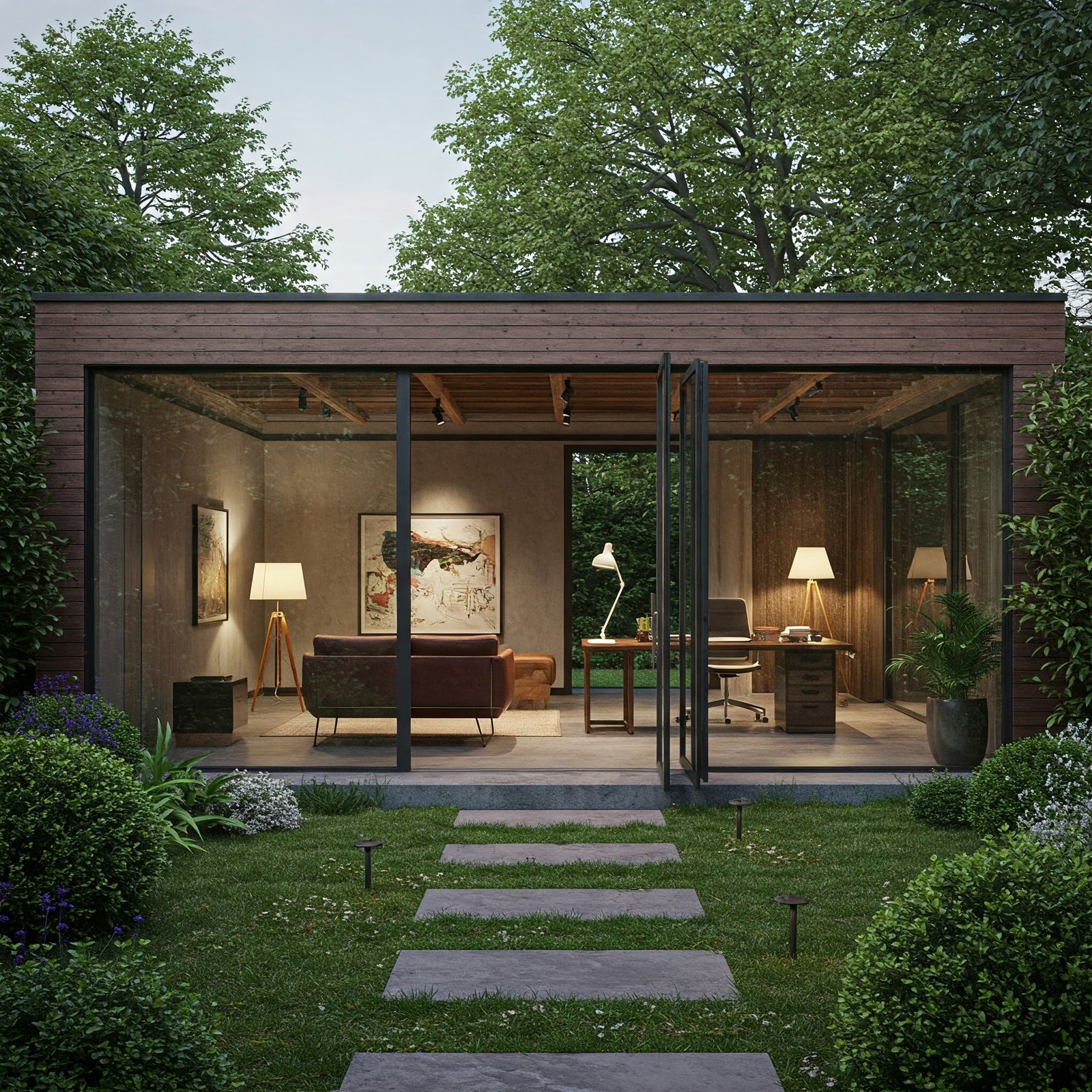
In practical terms, this means that architects are more likely to consider the structure of a building in relation to its environment, zoning, and how it fits into the surrounding area. They address external challenges like site conditions and climate control. Interior designers, however, are more tuned into the personal experience within the space. Their starting point is often the client’s lifestyle, aesthetic preferences, and functionality for daily living.

Architect’s Perspective. Photo credit: Bricks&Mortar.
Concept Development: The Core of Design
A design concept is more than just an aesthetic choice; it’s a guiding philosophy that helps designers solve problems and create cohesive spaces. For architects, concept development often centers on functional needs, which are visualized through structural diagrams or mood boards that relate directly to the building’s layout. In contrast, interior designers focus on a concept that connects with the client’s personal style and emotional needs.
As Regev puts it, “An architect might derive a concept from local building traditions, materials, or even the neighborhood’s culture. In a recent project, we created a ‘courtyard’ concept for a library renovation that embraced the building’s urban surroundings and emphasized community gathering spaces.” This approach allows the architect to embed meaning into the structure, enriching the user experience with layers of functional, historical, and social considerations.

Developing a Concept. Photo credit: Bricks&Mortar
How Hierarchies Shape Each Profession’s Approach
Understanding the hierarchy of needs in both fields can clarify how projects are developed. An architect’s training emphasizes spatial function and order, prioritizing the logic of a space. “For architects, the most crucial aspect is how a building is organized—how rooms connect, how light flows through spaces, and how people navigate the structure,” explains Regev.
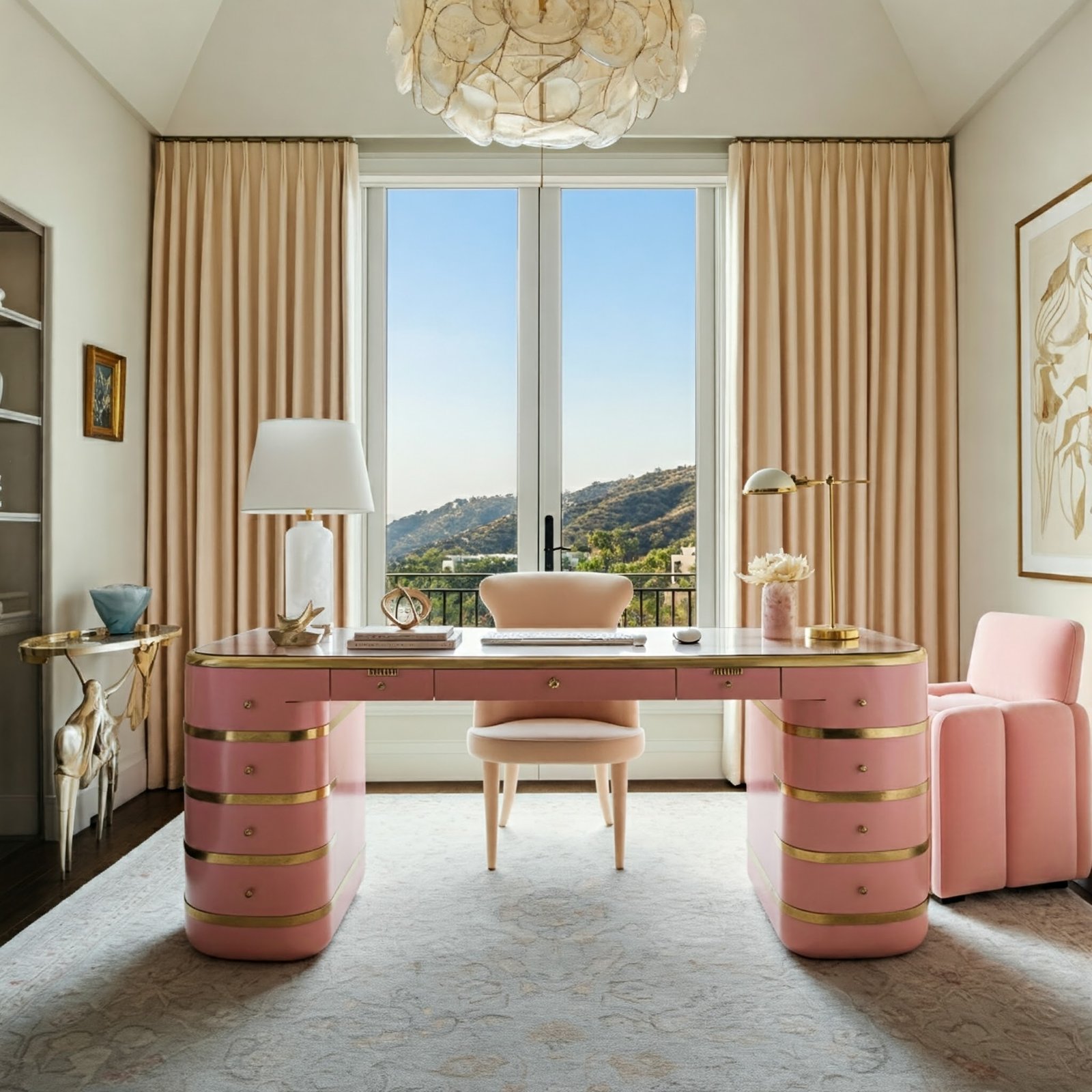
Interior designers, on the other hand, emphasize creating a mood within the spaces they curate. Their hierarchy starts with how a space should feel to its occupants. Interior designers often use mood boards early on to capture an emotional snapshot of the space. These boards don’t necessarily include architectural elements, but rather abstract images, color schemes, and textures that represent the feeling they’re aiming for.

Setting the Tone. Photo credit: Bricks&Mortar.
Mood Boards and Material Choices: Translating Ideas into Reality
A mood board is an essential tool in the interior designer’s toolkit, translating abstract emotions and ideas into visuals. “Clients get very involved in the mood board stage, bringing images and inspiration that represent their desired feel,” says interior designer Marta Elgin, who has worked with BetterSpace on several projects. Mood boards help clients visualize the aesthetic direction and allow designers to align with the client’s vision before diving into specifics like furniture or fixtures.
On the architect’s side, mood boards are less abstract and more focused on functionality and structure. For instance, architects might use mood boards to explore sustainable materials that connect the building’s exterior to its surroundings. As Regev notes, “We’re not just building a structure; we’re shaping how people experience that space for years to come.”

Crafting the Mood. Photo credit: Bricks&Mortar.
Collaboration for a Harmonious Design
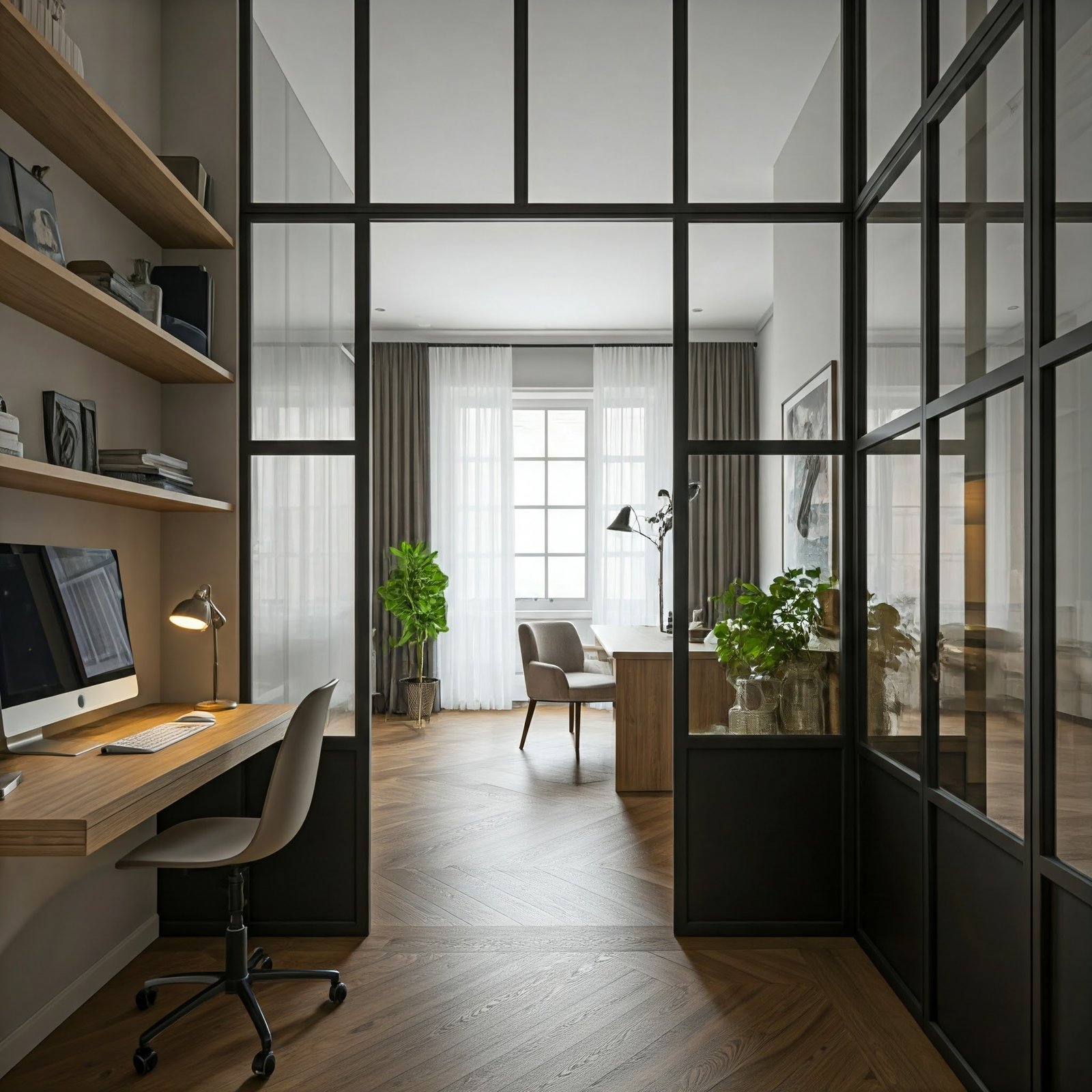
At their best, architects and interior designers work together, combining their unique perspectives to create spaces that are both structurally sound and rich in atmosphere. Collaboration helps ensure that each element—from the positioning of windows to the choice of accent colors—fits seamlessly together. “Architects bring a bird’s-eye view to a project, ensuring that every wall and window serves a purpose,” explains Regev. “Meanwhile, interior designers help bring that vision down to earth, ensuring it resonates with how people live and feel.”
Working hand-in-hand allows both professions to learn from each other and leverage each discipline’s strengths. For instance, an architect’s structural expertise can help an interior designer execute their vision within a layout that’s safe and functional. At the same time, an interior designer’s eye for texture, color, and detail can add warmth and personality to an architect’s clean, functional lines.

Teamwork in Action. Photo credit: Bricks&Mortar.
Finding the Right Professionals for Your Project
For homeowners, understanding the difference between architecture and interior design can help them choose the right professionals for their project. A renovation with structural changes often requires an architect, while a makeover centered on decor and furnishings may be better suited for an interior designer. In cases where both are needed, choosing firms or individuals with collaborative experience can bring out the best of both worlds.
As Regev emphasizes, “Every home renovation should begin with clarity of vision. An architect’s insights can elevate a project’s structure, and an interior designer can fine-tune the aesthetics to make the space feel like home.”

Bringing Visions to Life. Photo credit: Bricks&Mortar.