

What Are Prefab Extensions?
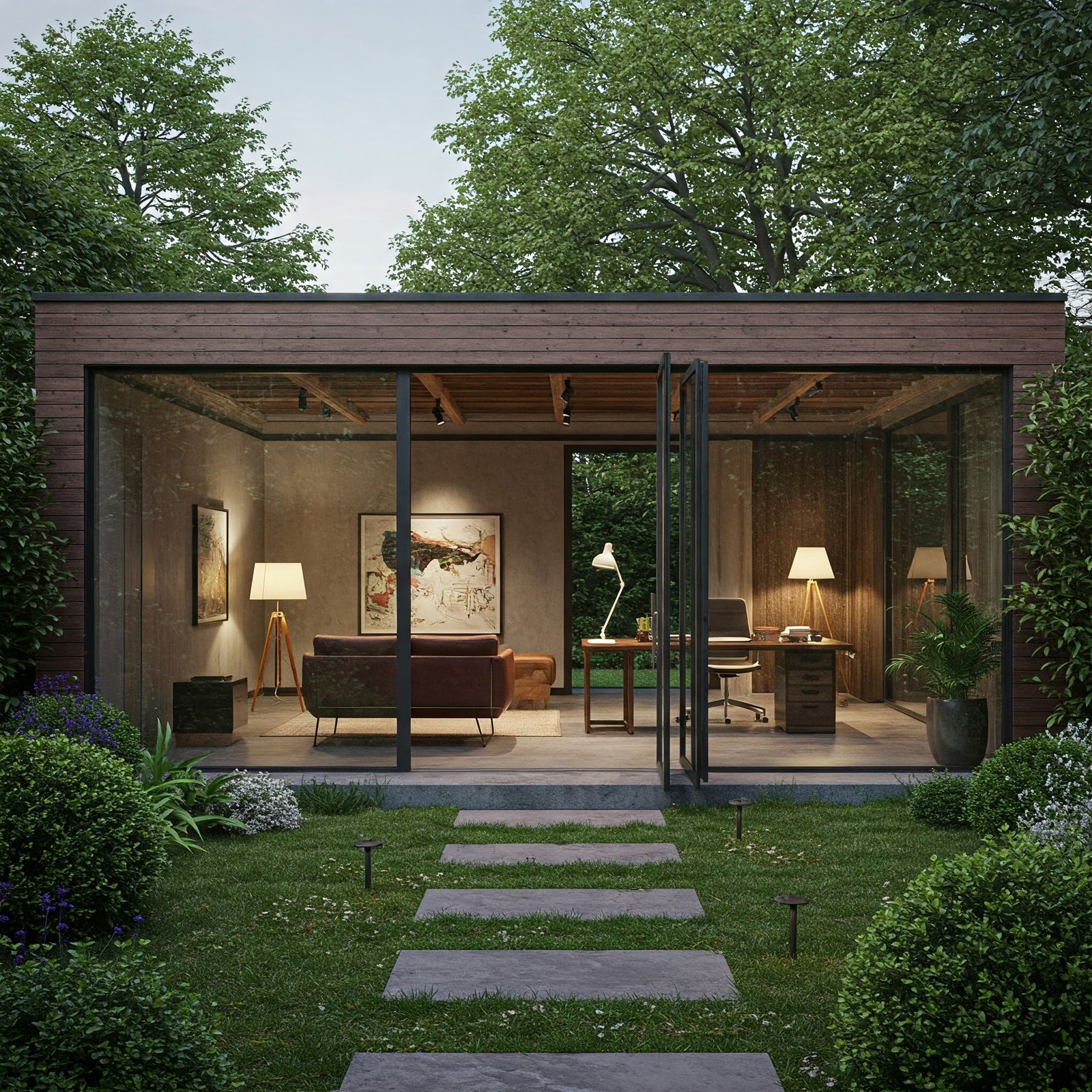
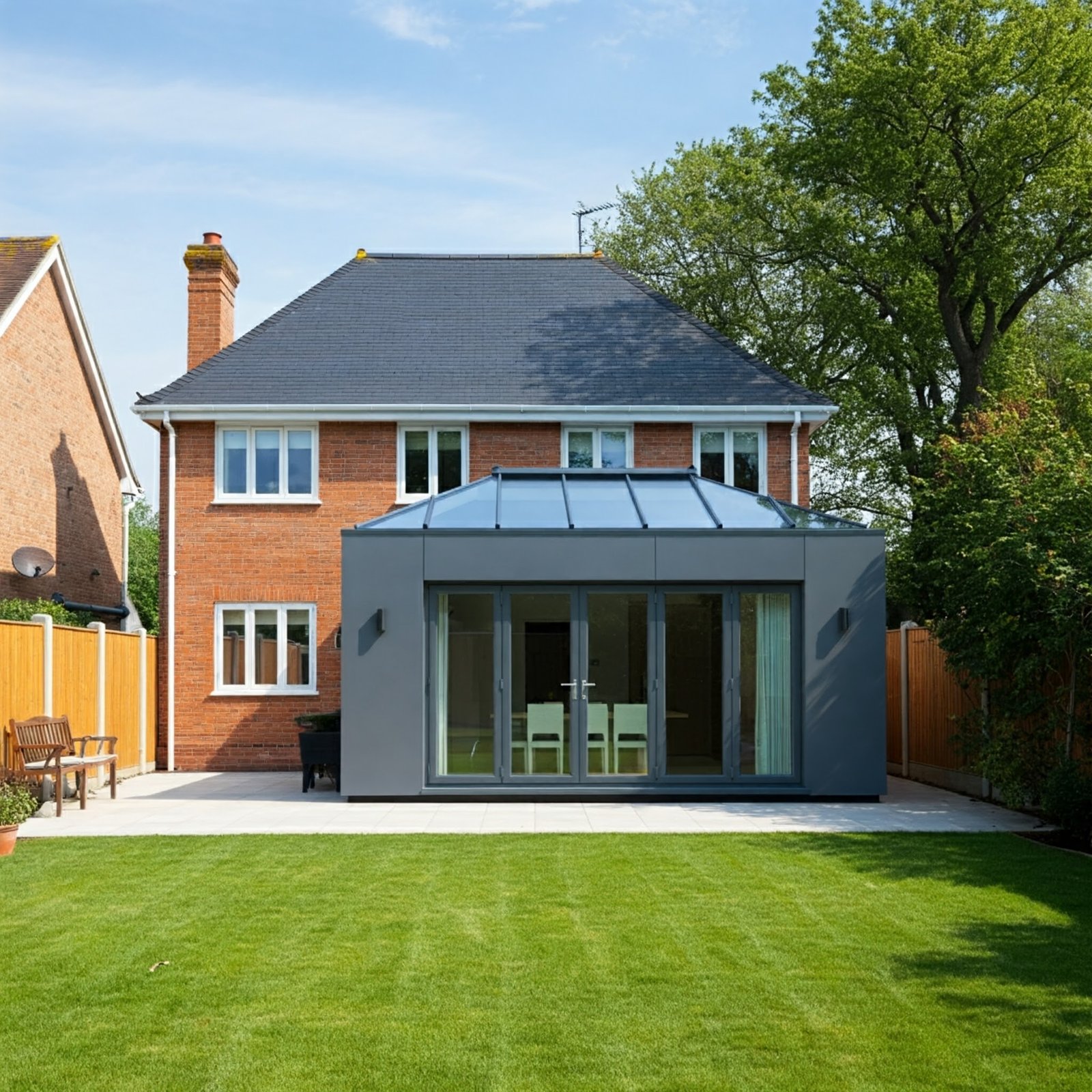
Prefab extensions are a fast-growing option for homeowners looking to add space efficiently and affordably. These pre-fabricated structures are built off-site and delivered to your property ready for quick installation, meaning less time spent on-site and minimal disruption to your daily life. Whether you’re interested in a compact home office or a full rear extension, prefab designs come in a range of styles and configurations to suit various needs.

Prefab Extension Options. Photo credit: Bricks&Mortar.
Types of Prefab Extensions: Choosing the Right Fit
Prefab extensions come in several types, offering different construction options and materials, such as structural insulated panels (SIPs), timber frames, or light gauge steel. SIPs are a popular choice due to their energy efficiency and structural strength, while timber frames provide a classic look with a lower environmental footprint. Some prefab extensions arrive fully assembled, ready to be craned into place, while others come in modular sections that are pieced together on-site.
According to Udi Regev, Head of Architecture at BetterSpace, “SIPs panels are ideal for UK homeowners, providing lightweight, energy-efficient solutions that adapt well to different climates.” This variety allows homeowners to select a build method and materials that best suit their home’s style and sustainability goals.

Exploring Prefab Materials. Photo credit: Bricks&Mortar.
Designing Your Prefab Extension: Customization Options
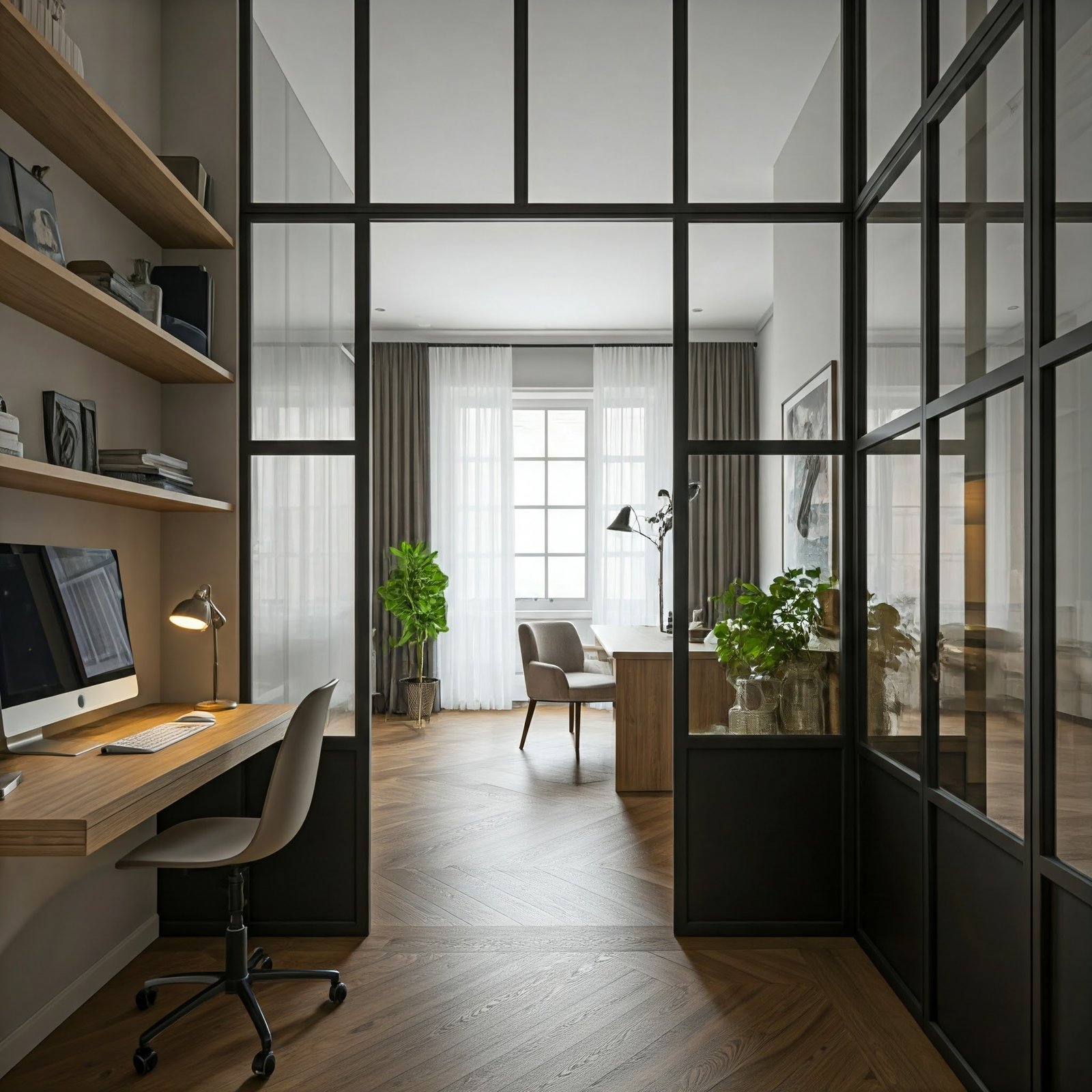
Many prefab extensions are designed by specialized companies, offering a streamlined process from concept to installation. Design options can vary, but most extensions are customizable with choices in window placements, door styles, and finishes to complement the existing architecture. Some companies even offer internal finishes, like plastering or basic flooring, saving homeowners additional setup time post-installation.
Udi Regev emphasizes, “Prefab extensions provide customization options that allow homeowners to create a personalized look while maintaining cost and time efficiency.” For those looking for a unique, multi-story addition, an architect can help create a bespoke design, but prefab packages often provide enough flexibility to meet standard needs.

Prefab Design Customization. Photo credit: Bricks&Mortar.
Speed and Efficiency: Why Prefab Extensions Are a Smart Choice
One of the biggest advantages of prefab extensions is their speed. Once designed and approved, prefab structures are often ready for installation in just two to three weeks. This quick turnaround is due to the off-site manufacturing process, which ensures that everything is ready for rapid assembly upon delivery. Once on-site, a prefab extension can be installed and made watertight in as little as one week, allowing homeowners to complete their renovations in record time.
“The timeline for a prefab extension is significantly shorter than traditional builds,” shares Regev. “Homeowners gain valuable living space quickly, without the extensive disruption often associated with construction.”

Quick Assembly Process. Photo credit: Bricks&Mortar.
Energy Efficiency and Insulation: Keeping Your Home Comfortable
Prefab extensions are built with energy efficiency in mind. Many utilize double or triple-glazed windows and doors, as well as SIPs or other insulating materials that help regulate temperature and reduce drafts. This can be particularly beneficial in colder climates, where a well-insulated extension not only keeps energy bills low but also increases overall comfort in the home.
Regev explains, “Prefab extensions have airtight seals and high-quality insulation, making them perfect for homes seeking greater energy efficiency.”

Energy-Efficient Prefab. Photo credit: Bricks&Mortar.
Cost-Effectiveness: Managing Your Budget with Prefab
Prefab extensions typically cost between £1,500 to £4,500 per square meter, depending on materials, finishes, and customizations. Although this cost is comparable to traditional extensions, prefab builds offer cost stability and efficiency since there are fewer unexpected expenses during the build. For homeowners on a tight budget, prefab extensions offer a manageable way to increase home space without the risk of spiraling costs.
Photo Placeholder:
- Title: “Cost-Efficient Extension Solutions”
- Prompt: Generate an image of a home budgeting planner with cost breakdowns for prefab extension options, with labels on materials, finishes, and add-ons.