

Old homes have a reputation for draining wallets, but a high-quality renovation doesn’t have to come with a hefty price tag. With smart planning and the right approach, you can transform your home while keeping costs under control.
1. Do You Need an Architect?
For large-scale renovations, hiring an architect or architectural technologist can be invaluable. But for smaller projects—like internal remodels or simple extensions—you have more budget-friendly options:
- Draw the plans yourself: Many planning departments accept self-drawn plans as long as they meet requirements. However, you’ll need proper drawings for Building Regulations and for your builder to work from.
- Hire a draughtsperson: A more affordable alternative to an architect, they create precise technical drawings. Make sure they have adequate professional indemnity insurance.
- Work with your contractor: Some builders offer in-house design services or can recommend a professional to create plans.
Udi Regev, co-founder of BetterSpace, says: “Homeowners are often surprised to learn they don’t always need a full-service architect. Online design services can offer high-quality, customised plans at a fraction of the cost, making professional design accessible to more people.”
2. Choose Suppliers Wisely
Big-name suppliers may have impressive marketing, but that doesn’t always translate to better service or quality. Independent contractors and smaller companies can often provide equal (if not better) craftsmanship at a lower price.
3. Manage the Project Yourself
One of the most effective ways to save money is to act as your own project manager. Hiring and scheduling trades yourself gives you greater control over costs. However, it requires time, organisation, and decision-making.
Udi Regev advises: “Managing your own renovation isn’t for everyone, but if you’re willing to coordinate trades and timelines, you can save significantly on contractor markups.”

4. Shop Around
Buying all your materials from one supplier is convenient, but not cost-effective. Whether it’s kitchen units, bathroom fittings, or tiles, sourcing items from different vendors can lead to big savings.
5. Get Multiple Quotes
Never settle for the first quote you receive. Prices for the same job can vary significantly between tradespeople.
✔️ Get at least three quotes
✔️ Ask for recommendations from trusted sources
✔️ Remember: cheapest isn’t always best
6. Consider an Unfinished Look
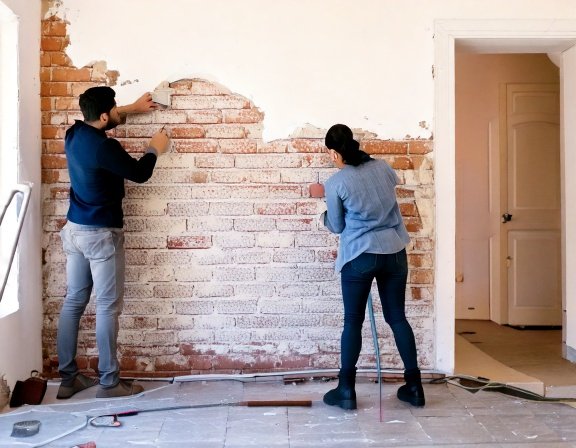
Raw, industrial-style finishes like exposed brick, concrete floors, or plywood cabinetry can cut down on costly plastering and decorating. Plus, they create a stylish, modern aesthetic.
7. Reuse Old Materials
Reclaimed materials can save money while adding character. Consider:
🔹 Reusing bricks from old outbuildings
🔹 Salvaging roof tiles instead of buying new
🔹 Repairing timber windows rather than replacing them
8. Mix High-End with Budget Finds
Not everything needs to be top-of-the-line. Pair affordable cabinetry with high-end worktops, or upgrade standard fixtures with stylish handles and lighting.
“A clever mix of premium and budget-friendly elements can make your renovation look high-end without the high-end price tag,” says Udi Regev.
9. Plan for Bargains
If you have storage space, buy discounted ex-display kitchens, sanitaryware, or end-of-line materials when you find a deal—rather than waiting until the last minute.
10. DIY Where You Can
Painting, tiling, and simple landscaping are all great ways to save on labour costs. Just be realistic about your skills—some jobs (like electrics and structural work) are best left to the professionals.
Final Thoughts
A well-designed renovation doesn’t have to break the bank. By making smart choices and being proactive, you can achieve a high-quality result on a budget. As Udi Regev puts it: “Good design should be accessible to everyone. With the right approach, you can create a beautiful home without overspending.”